By The Director of Training – C2 Tactical
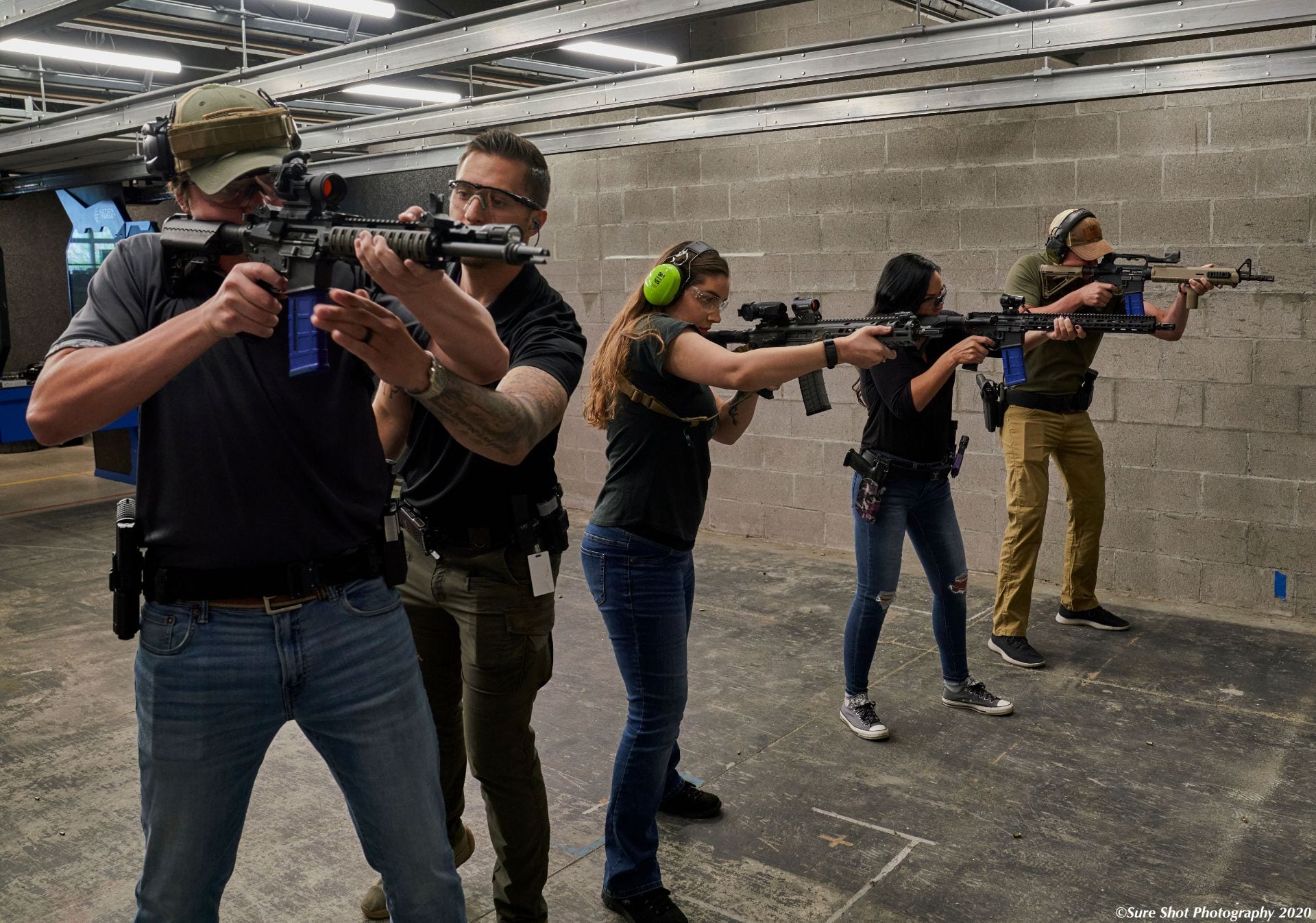
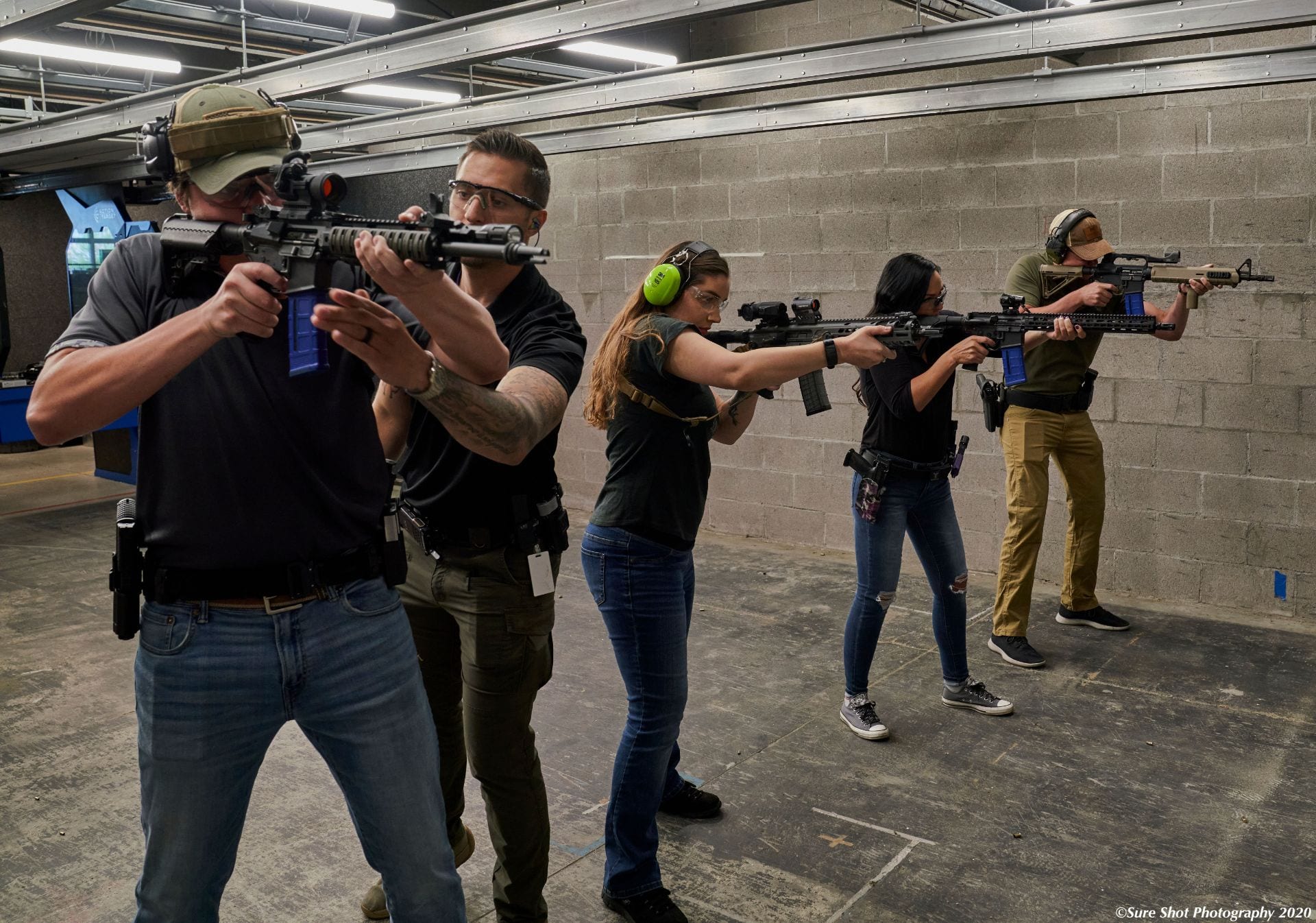
If your prep plan starts with “I want to look like a Tier-1 operator,” stop. Looking like a movie extra won’t make you safer; it makes you slower, hotter, and a magnet for unwanted attention. Civilians need usable gear, not costumes. Here’s how to keep it real.
Why? (The actual point)
This isn’t about learning to assault a building. It’s about survivability and making a defensible position out of places that weren’t built for it. Most homes have few hard barriers; a small ballistic panel or a compact carrier gives you a measure of protection while you move between rooms, treat a casualty, or hold a doorway long enough to escape or call for help. Think cover augmentation, not offensive gear.
Top Five Civilian Priorities
- Medical kit. Tourniquet, pressure bandage, hemostatic gauze, chest seals, gloves — this saves lives, not plates. You also need the skills to use this stuff to STOP the Bleed!
- Light and Comms. Phone, compact light, spare battery. Know how to call for help and where you’ll go.
- One Spare Mag. If you carry a firearm, one extra mag is reasonable unless you are literally in a war. Any more is just cosplay.
- Tools and Support. Knife, multitool, ID/cash in waterproof pouch, pen, notepad.
- Ballistic Protection (optional). If you choose armor, a single Level III ceramic/PE plate front-only is a practical compromise. Don’t buy for looks.
Plate Carrier vs. Chest Rig vs. Sling Bag
- Plate Carrier: For hard plates. Pick slim, breathable, and stable.
- Chest Rig: For mags, med kit, and comms without plates.
Most civilians do best with a small carrier plus a compact admin pouch or chest rig. Reserve full patrol rigs for stored home-defense kits, not daily wear. - Tactical Sling Bag – Simple, protective, multi-use, and will not make you look like you are a coplayer when the cops show up.
Practical Civilian Loadout
- IFAK (Individual First Aid Kit): tourniquet, bandage, gauze, chest seals, gloves.
- Light: headlamp + compact flashlight.
- Ballistic Armor (optional): single 10×12 Level III plate with thin trauma pad.
- Mags: one spare, two max.
- Admin: phone, ID, cash, knife, multitool.
- Hydration/Snack: small bottle or packable option.
For a fixed-point home kit add a rear plate, larger med supplies, and extra water — but don’t carry that around. Practice until it’s reflex: one-handed tourniquet under stress, fast don/doff, reloads, and casualty care while moving, and conditioning runs wearing your kit. If you don’t train, the gear will betray you when stress hits.
Final Thoughts
Armor laws vary. Many states allow civilian ownership, but some restrict it. Publicly wearing tactical gear can alter how police and neighbors treat you. Know the law and favor discretion.
The goal isn’t to play commando. A solid med kit, a light carrier (if you opt for armor), and one spare mag are sufficient for most civilians. At C2 Tactical, we train people to be helpful, not theatrical. Start with skills. Then choose the lightest, most functional setup you can move hard in. Surviving isn’t about looking tough; it’s about being ready.