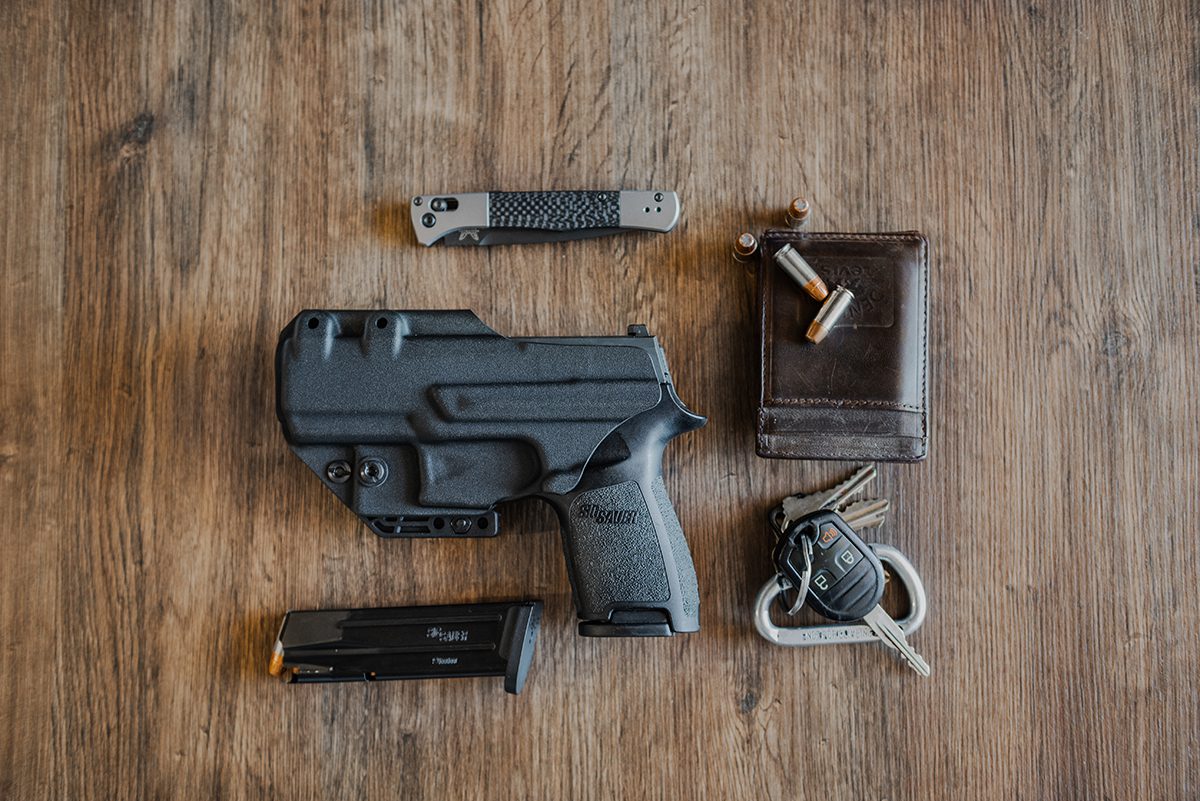
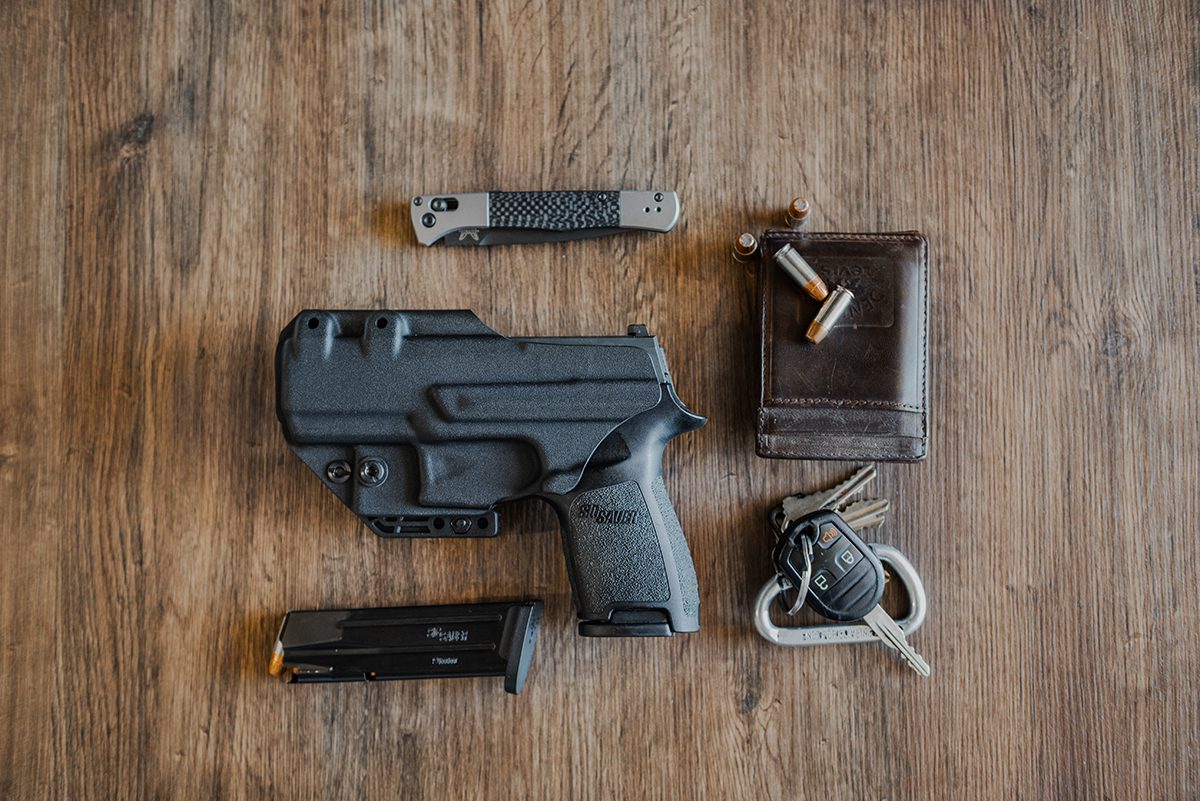
The firearms industry is very good at selling us things. There is always a new trigger, barrel, compensator, optic, grip, spring, magazine extension or other improvement promising to make our handgun perform just a little bit better. Some of those products are excellent, and I’ve modified plenty of my own firearms over the years.
But when it comes to a handgun intended for personal protection, I’ve developed a considerable appreciation for boring.
A defensive gun should work. You should shoot it well. You should understand its controls without having to think about them, and you should have enough experience with it to trust that when you press the trigger, it will do exactly what you expect it to do.
None of that is particularly exciting. That’s kind of the point.
What Problem Are You Solving?
Before changing something on a defensive firearm, I think it’s worth asking a simple question: What problem am I trying to solve?
Maybe you genuinely see a different sighting system better. Perhaps an optic improves your performance, or a weapon-mounted light makes sense for the role you’ve assigned the firearm. Maybe a change to the grip allows you to operate the gun more effectively. Those are legitimate reasons to modify equipment because you’ve identified a problem and selected something intended to address it.
The process sometimes gets reversed, however. We buy the solution first and then go looking for the problem.
That’s particularly easy in the firearms world because equipment is interesting. Training is work. Buying a new trigger takes a few minutes and a credit card. Developing better trigger control takes repetition, attention and usually somebody pointing out what you’re doing wrong.
One of those is considerably more fun.
Skills Over Kit
Equipment absolutely matters, but there is a point where improving the equipment produces increasingly smaller returns than improving the person operating it.
Give a skilled shooter a basic, reliable handgun and that person will generally find a way to perform with it. Give an inexperienced shooter a beautifully customized pistol and the gun doesn’t magically provide recoil control, consistency, judgment or good decision-making.
Those things aren’t available in the accessory case.
This is one reason I would rather see someone invest in quality training before endlessly modifying a defensive firearm. Training has a useful habit of revealing what the actual problems are. Sometimes the answer really is equipment. Quite often, however, the answer is us.
Knowing the difference can save a lot of money.
Let the Gun Earn Your Trust
There’s another consideration whenever we modify a defensive firearm. We’ve changed something about a system we previously trusted, which means we should verify that it still deserves that trust.
Shoot it. Use the magazines you actually depend upon and test the defensive ammunition you intend to carry. If you’ve changed something that affects the firearm’s dimensions, controls or accessories, make sure it still works properly with your holster and the way you actually use it.
A few rounds after installing a new component may tell you that the gun functions. It doesn’t necessarily tell you that you’ve established reliability.
Eventually, though, there should come a point where the gun works, you shoot it well, and it does everything you reasonably need it to do.
That’s a pretty good time to stop fixing it.
There are plenty of reasons to own interesting firearms, and there’s nothing wrong with modifying guns simply because you enjoy doing it. But a firearm intended for personal protection has a much less glamorous job.
It needs to work when you need it, and you need to possess the skills to use it effectively.
The best defensive handgun isn’t necessarily the most interesting gun you own. It may simply be the boring one you’ve trained with enough to trust.
And when it comes to personal protection, skills over kit—every time.