Start With What Isn’t a Gun
The firearms industry loves accessories. Rails, optics, lights, lasers, and enough aftermarket parts to build a small spacecraft. Most of it is sold as “essential.” Very little of it actually is.
Home defense is not about building a gun—it’s about surviving a violent encounter inside your own home, often in low light, under stress, with family members nearby. Accessories should support that reality, not complicate it.
Before we ever talk about firearms, we need to talk about non-gun gear.
Light: You Can’t Shoot What You Can’t Identify
A reliable white light is non-negotiable. This applies whether you’re armed or not. Identification matters. Shooting the wrong person because you failed to illuminate a target isn’t a training error—it’s a life-altering mistake.
That said, a critical caveat about weapon-mounted lights (WMLs): A gun is not a flashlight.
Too many people use a WML to search their home, which means they are pointing a loaded firearm at anything they illuminate. Family members. Neighbors. Unknown noises that turn out to be nothing. This is unsafe and unacceptable.
The solution is simple: use a handheld light for searching and identification, and reserve the weapon-mounted light for situations where a firearm is already justified. WMLs are tools—not permission slips to muzzle everything in the house.
Medical: Plan for the Aftermath
If you own a firearm for defense but don’t have basic medical gear and training, you’re only planning for half the problem.
Violence creates injuries—sometimes to innocent people. Tourniquets, pressure bandages, and the ability to use them matter. This isn’t tactical cosplay. It’s responsible ownership.
Communication and Context Matter
A charged phone, backup power, and the ability to communicate with loved ones and emergency services are often overlooked. After the incident—assuming you survive—communication becomes critical. Plan for that reality.
Cover: Don’t Stand There and Get Shot
If you genuinely believe someone is trying to hurt or kill you, standing in the open because “this is my house” is a bad plan.
Know where actual cover exists in your home. Walls, furniture, and doorways are not all equal. Movement to cover and using it effectively matters far more than most accessories people obsess over.
Firearm Accessories: Keep It Simple
For pistols, rifles, and shotguns, the priorities are boring—and that’s good.
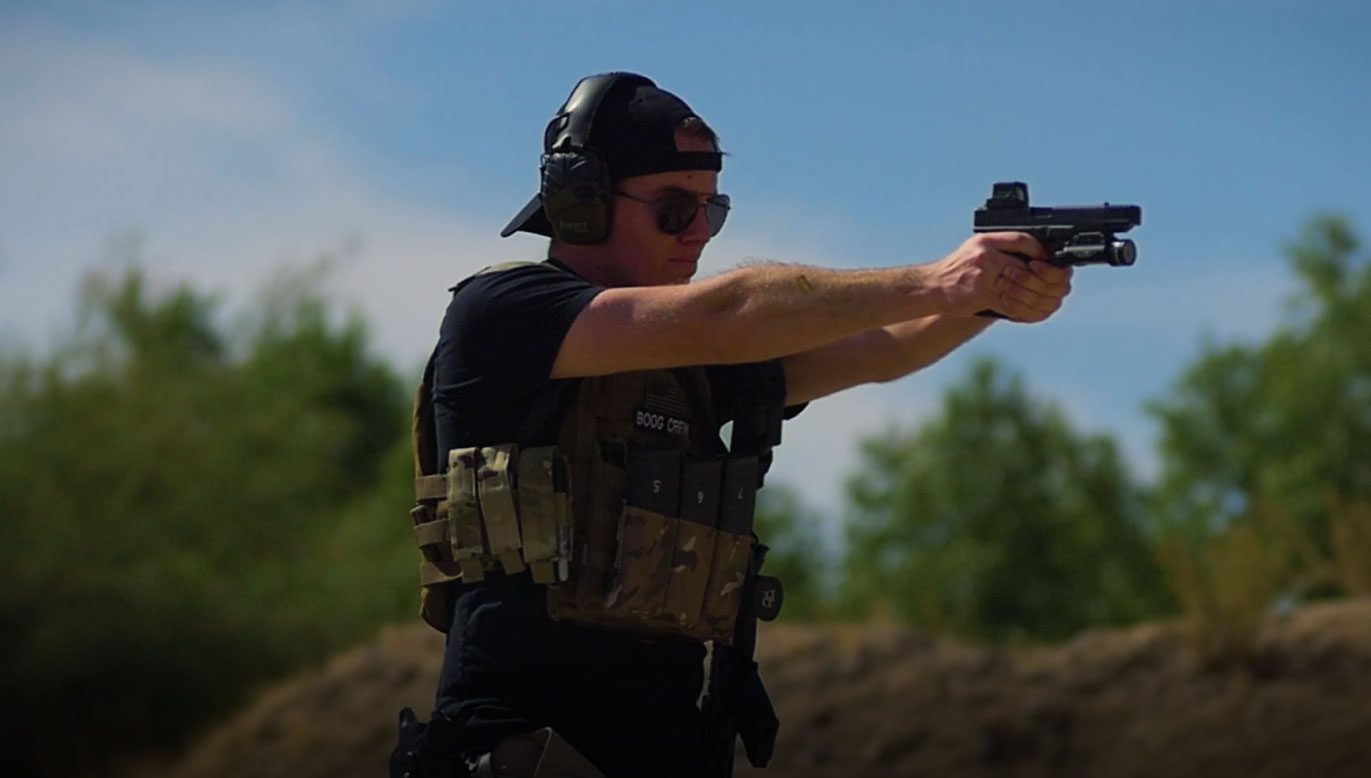
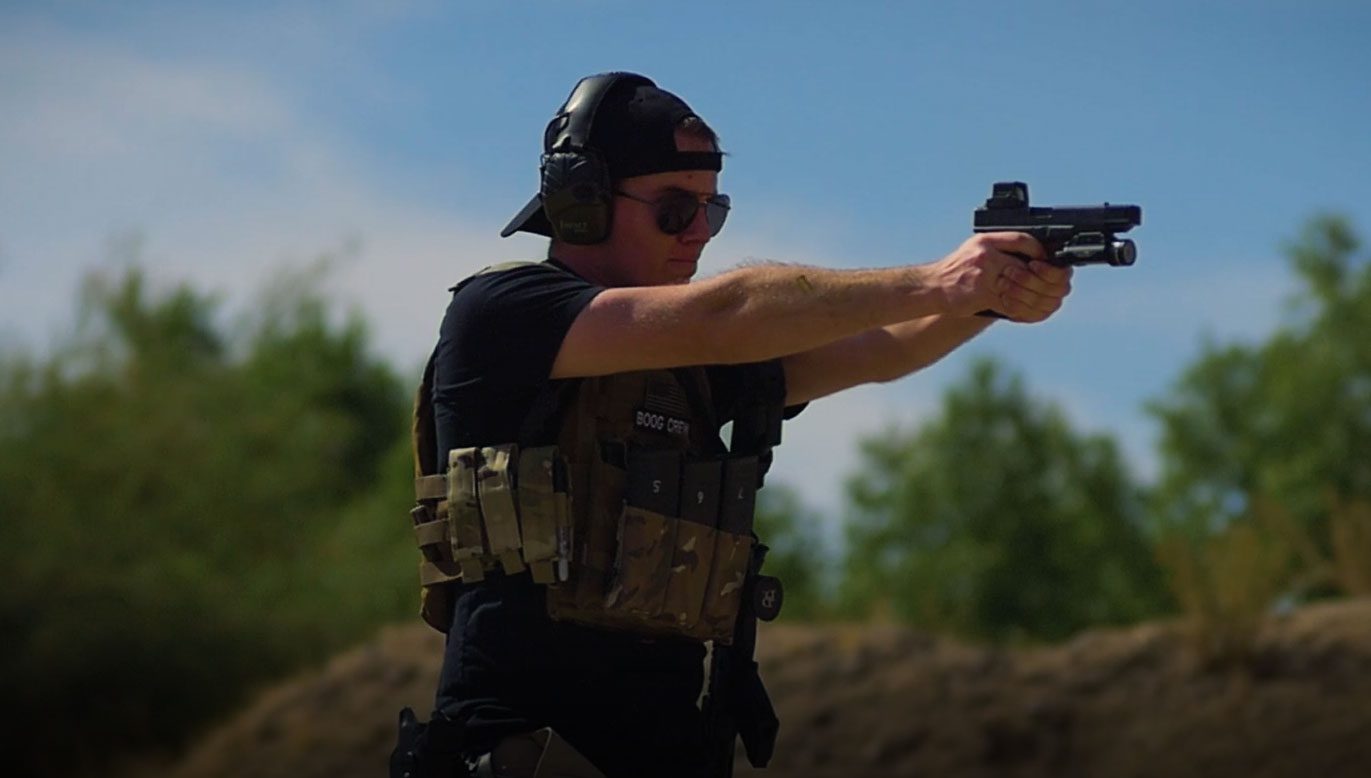
Reliable sights or a durable optic you’ve actually trained with. A quality sling on long guns. A light used properly. Everything else is optional and often adds complexity without benefit.
Accessories should reduce cognitive load, not increase it.
Training Is the Real Force Multiplier
No accessory compensates for poor judgment, lack of movement, or panic. Training teaches you when not to shoot, how to move, how to use cover, and how to manage stress.
Gear doesn’t save you. Preparation does.
The goal of home defense isn’t to win a fight—it’s to survive it, protect the people you care about, and avoid irreversible mistakes.
That’s what actually matters.