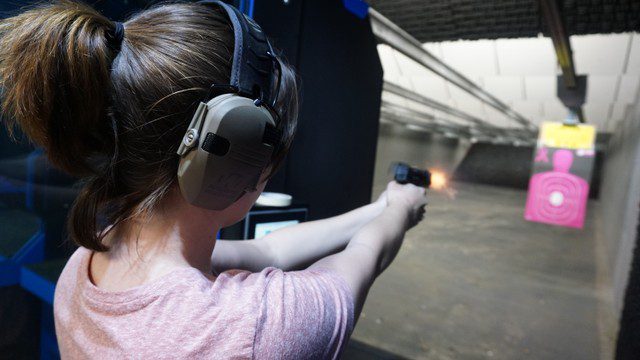
Spend enough time around serious shooters and eventually someone will start talking about numbers. Draw times, split times, reload times, transition times, we have ways to measure almost everything we do with a firearm.
There is nothing wrong with that. A shot timer is one of the most useful diagnostic tools we have. The problem begins when the numbers become the goal rather than a measurement of the skill. A fast split between two mediocre shots isn’t particularly impressive, and neither is a blazing draw followed by a poor first hit.
Speed matters, but only when we’re doing something useful with it.
The First Shot Sets the Tone
Whether we’re talking about competition or defensive shooting, the first accurate shot matters enormously because everything has to come together to produce it. You have to recognize the problem, access the firearm if necessary, establish a usable grip, acquire enough visual information, and make an acceptable trigger press.
All of that takes time. The objective isn’t to eliminate that time; it’s to eliminate the time you’re wasting.
There is an important distinction between moving quickly and being efficient. The best shooters I’ve worked with rarely look frantic. Their movements have been refined so that very little happens unnecessarily. The timer simply measures how efficiently they accomplished the task.
Don’t Let the Timer Become the Goal
Split times help us measure how quickly we can recover from one shot and deliver another. As recoil management, grip, and visual processing improve, those times generally improve as well.
But the timer can become a trap.
Once shooters begin chasing a particular number, it’s easy to start shooting at a pace the target doesn’t support. Suddenly, the timer says we’re getting better while the target tells a very different story.
I tend to believe the target gets the deciding vote.
In a defensive context, that distinction becomes even more important. Every round fired has consequences, and we’re responsible for every one of them. A fraction of a second saved doesn’t mean much if the shot goes somewhere it shouldn’t.
Accuracy Has a Speed
Experienced shooters eventually learn that there isn’t a single correct speed for shooting. The problem determines the pace.
A generous target at close range allows more speed than a smaller target at greater distance. Movement, awkward positions, and reduced target areas change the calculation again. Learning how much speed a particular problem allows is a skill in itself.
Training is where we should explore the edge of our abilities, make mistakes, identify weaknesses, and gradually move that boundary forward.
The goal isn’t to become comfortable shooting slowly. It’s to become capable of shooting accurately faster.
Measure What Matters
At C2 Tactical, we want students to become faster because efficiency matters. But improvement needs to remain connected to performance.
A shot timer tells you how quickly something happened. The target tells you how well you did it. Neither tells the complete story by itself.
As skill increases, the shooter becomes capable of doing more in less time without sacrificing accountability. That’s where meaningful speed comes from.
The Bottom Line
Speed is a legitimate firearms skill. Fractions of a second matter in competition, and in a defensive encounter, time can matter even more.
But speed by itself isn’t the objective. The objective is solving the problem as quickly as your ability allows while remaining accountable for the result.
So, use the timer. Measure your performance and push your limits. Just remember to look at the target afterward, because the numbers only tell part of the story.
The fastest shot you’ll ever fire doesn’t matter much if it isn’t the shot you needed to make.