The Smart Shooter’s Secret Weapon: Train with a .22
By
The Director of Training – C2 Tactical
As Director of Training at C2 Tactical, I get a front-row seat to one universal truth: most shooters want to improve faster, spend less, and enjoy the process more. Lucky for you, there’s a ridiculously effective tool hiding in plain sight—one most shooters ignore because it “doesn’t feel tactical enough.”
I’m talking about the humble .22.
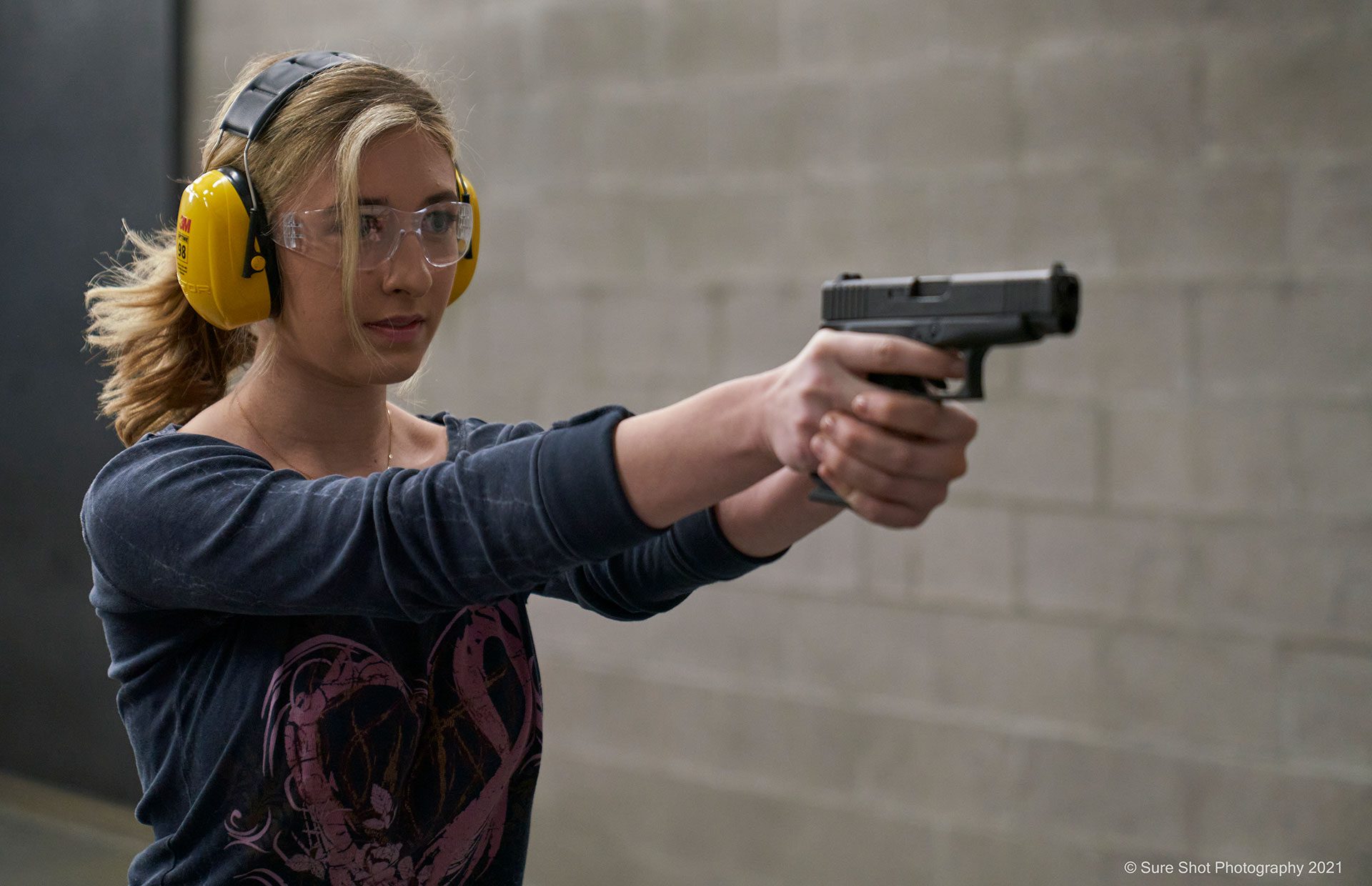
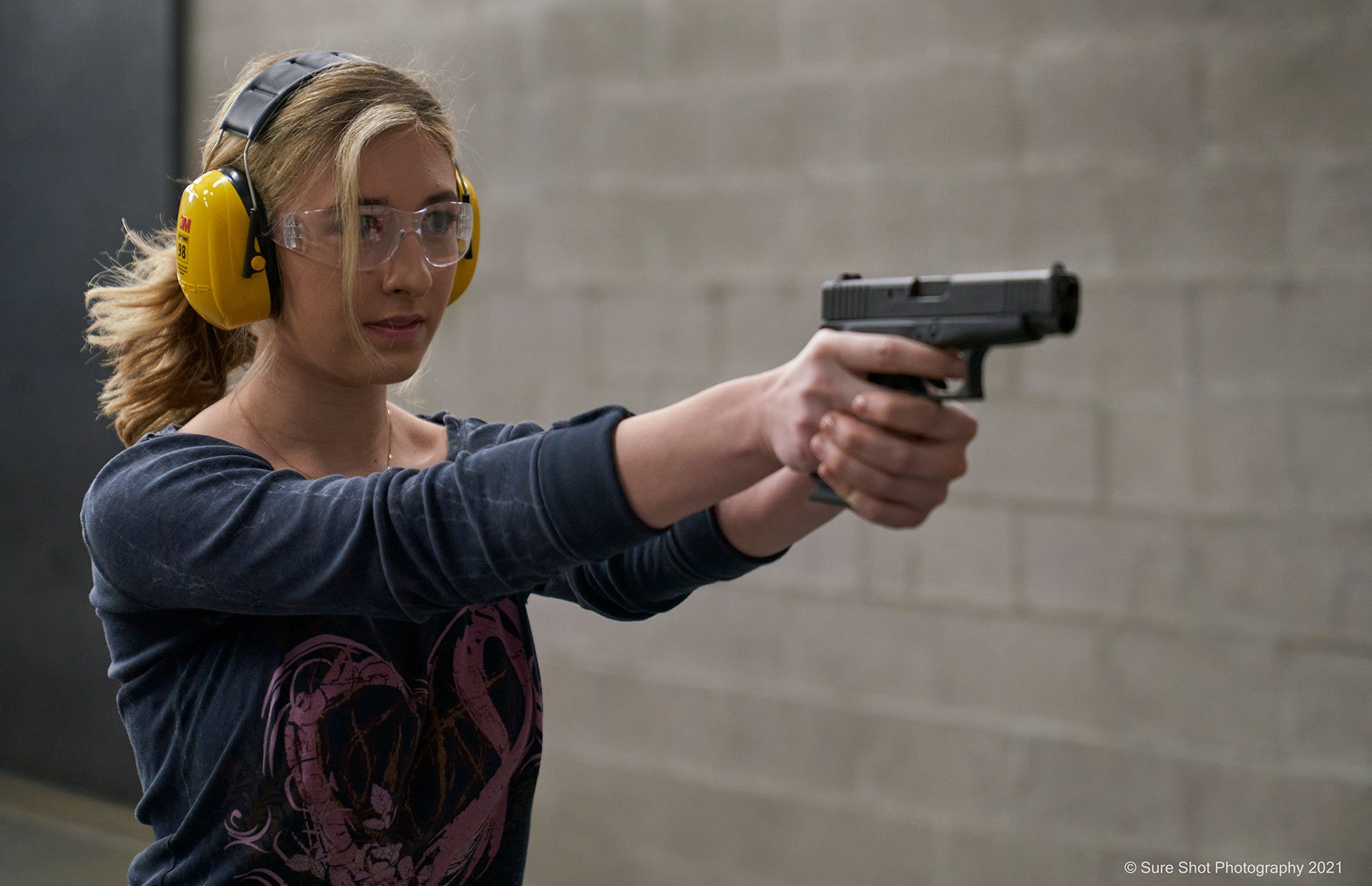
Before you scoff, let me hit you with reality: if you’re not integrating a .22 analog into your training routine—like the Glock 44 alongside your Glock 19, or the SIG P322 alongside your SIG P320—you’re leaving easy performance gains on the table.
Why the .22 Works (Even for Serious Shooters)
A .22 lets you focus on pure skill execution without the noise—literally and figuratively. There’s almost no recoil, minimal blast, and it costs pocket change per round compared to 9mm. That means you can shoot more reps with less fatigue while fixing the fundamentals that matter: grip pressure, trigger control, sight discipline, and follow-through.
And because platforms like the G44 and P322 mimic their centerfire twins in size, shape, and control layout, your skills transfer directly. You’re not learning a “different gun.” You’re refining the same mechanics with a smaller margin of error.
Where the .22 Shines in Training
If you want to maximize your improvement, here’s where a .22 absolutely crushes centerfire:
- Trigger Isolation
With reduced recoil and zero anticipation, you can finally see what’s happening during the break. Are you milking the grip? Pushing shots? Snatching at the wall? The .22 exposes it. Quickly. - Rapid-Fire Accuracy Work
Run your cadence drills, grip endurance work, and recoil-management patterns. You can get 3–4 times the reps for the same cost of 9mm. Muscle memory doesn’t care what caliber taught it. - Movement and Transitions
The .22 builds confidence. When students hesitate during movement or target changes, it’s usually because they’re overwhelmed by recoil or blast. Remove that, and suddenly the footwork and timing improve overnight. - Low-Stress Diagnostics
When someone’s struggling, a .22 instantly clarifies whether the problem is mechanics or recoil-induced flinch. It’s the closest thing we have to truth serum on the range.
How to Maximize Your .22 Training
If you want to get the most out of your rimfire reps, follow these simple principles:
- Treat it like a “real gun.” Same grip. Same draw. Same reload mechanics. Same accountability.
- Run structured drills, not mag-dumps. Your wallet can rest, but your discipline can’t.
- Finish with 9mm. The .22 builds the pattern; the 9mm validates it. Even five final rounds will connect the dots.
- Keep both guns set up similarly. Same sights, same holster setup, same ergonomics as much as possible.
The Bottom Line
If you’re serious about improving—whether you’re a new shooter building confidence or a seasoned carrier chasing performance—adding a .22 analog to your training is one of the smartest moves you can make. It removes cost, reduces recoil, and magnifies every opportunity for growth.
At C2, we train smarter, not harder. The .22 just happens to let you do both.
Let me know if you want tweaks, a shorter version, or a more formal tone for the C2 site.